
Sustainable Building Materials: A Carpenter’s Guide in Western Australia


In recent years, the construction industry has seen a significant shift towards sustainability, and Western Australia is no exception. Carpenters in this region are increasingly opting for sustainable building materials, which not only benefit the environment but also enhance the quality and longevity of their projects.

Understanding Sustainable Materials
Sustainable building materials are those that have a minimal impact on the environment. They are sourced responsibly, have a lower carbon footprint, and often contribute to better energy efficiency. For carpenters, this means choosing materials that are renewable, recyclable, and durable.
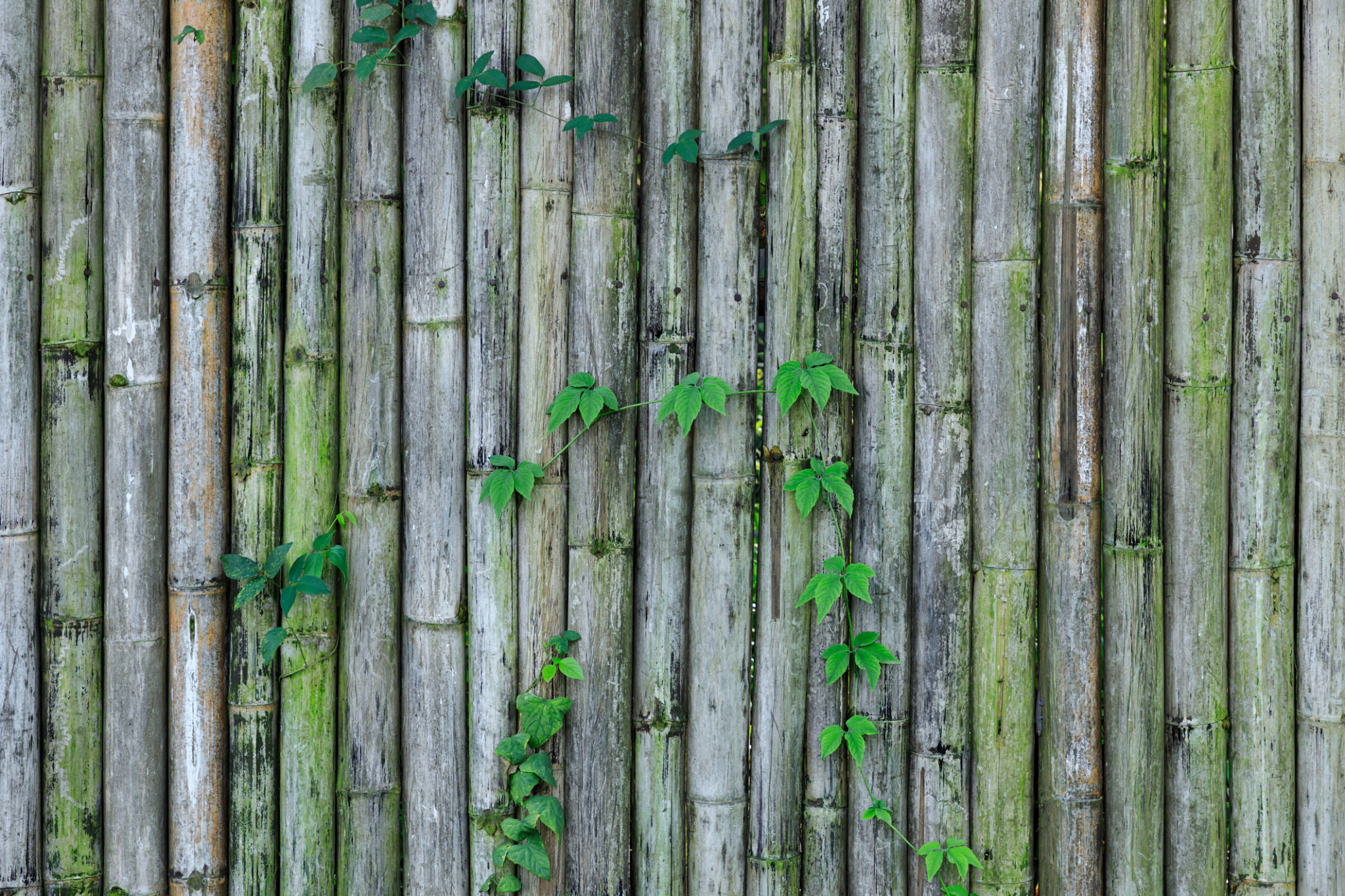
One popular option is bamboo, known for its rapid growth and strength. It’s an excellent alternative to traditional hardwoods and can be used for flooring, cabinetry, and more. Another choice is reclaimed wood, which adds unique character while reducing the need for new lumber.
Locally Sourced Timber
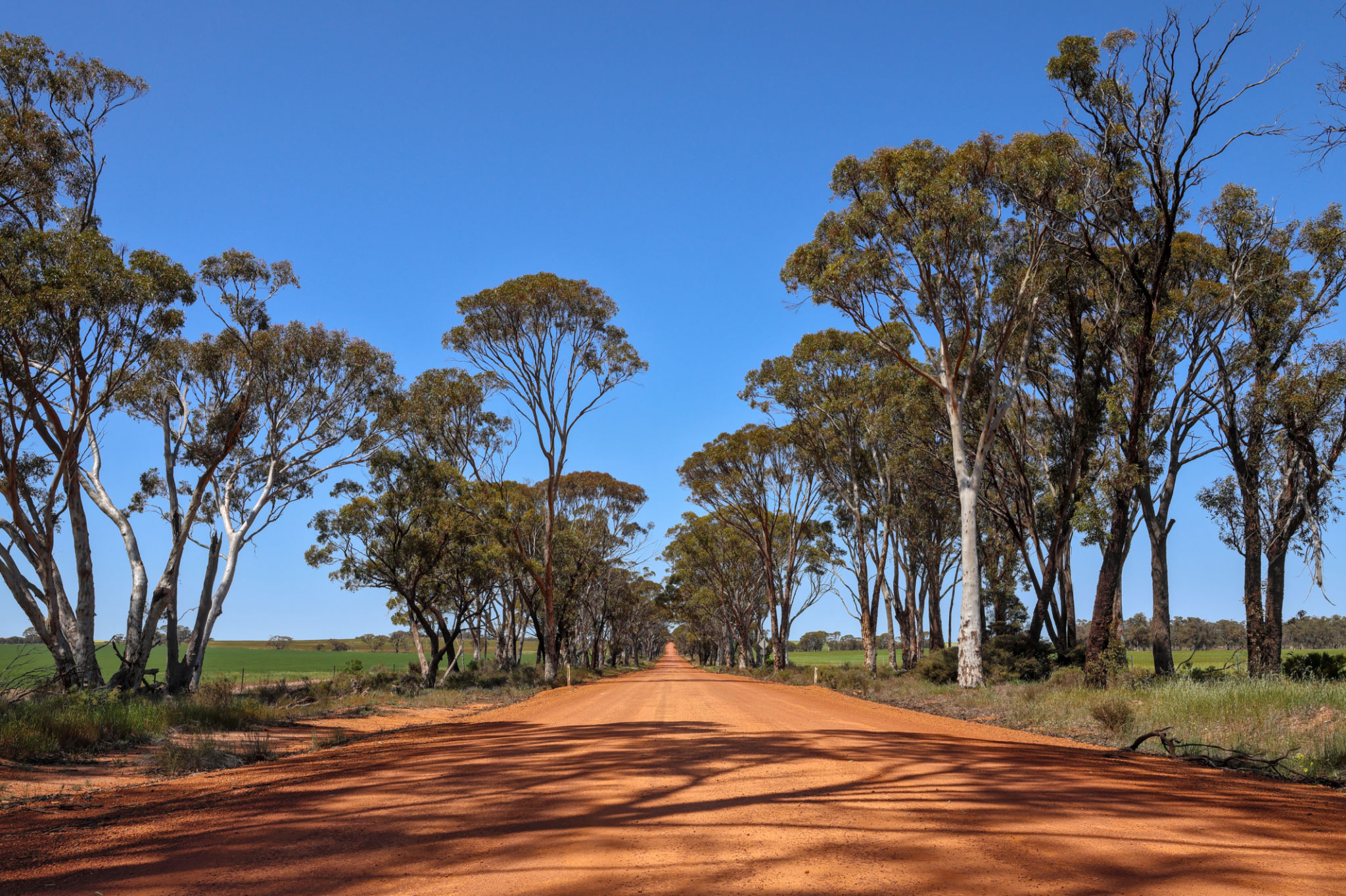
Using locally sourced timber is a sustainable practice that also supports local economies. Western Australia has a variety of native timbers, such as jarrah and karri, which are both durable and aesthetically pleasing. By choosing local materials, carpenters can reduce transportation emissions and ensure that the wood is harvested under responsible forestry practices.
It’s important to verify the source of the timber. Look for certifications such as the Forest Stewardship Council (FSC) to ensure the wood comes from sustainably managed forests.
Innovative Alternatives
Aside from natural wood, there are innovative alternatives gaining traction in sustainable construction. Engineered wood products, like cross-laminated timber (CLT), offer high strength and stability and are often made from fast-growing, renewable trees.
Recycled materials, such as composites made from recycled plastics and wood fibers, are also becoming popular. These materials are not only eco-friendly but also resistant to pests and weather, making them ideal for outdoor use.
Benefits of Sustainable Materials
Using sustainable materials offers numerous benefits. They often provide better insulation, leading to energy savings. Additionally, they are typically free of harmful chemicals, improving indoor air quality and creating healthier living spaces.
For carpenters, incorporating sustainable materials into their projects can also enhance their reputation. Clients are increasingly looking for eco-friendly options, and offering sustainable solutions can set a carpenter apart in a competitive market.

Challenges and Considerations
While the benefits are clear, there are challenges to consider. Sustainable materials can sometimes be more expensive upfront, although they often lead to savings in the long run. Availability can also be an issue, as some materials may not be readily accessible in all areas of Western Australia.
Carpenters should weigh these factors and consider the specific needs of each project. Collaborating with suppliers and staying informed about new developments in sustainable materials can help navigate these challenges effectively.